Bitcoin
  Ethereum
  Tether
  BNB
BNB  XRP
XRP  USDC
USDC  Solana
  TRON
TRON  Lido Staked Ether
  Figure Heloc
  Dogecoin
  WhiteBIT Coin
  Cardano
  USDS
USDS  Bitcoin Cash
  Wrapped stETH
  LEO Token
  Hyperliquid
  Wrapped Bitcoin
  Monero
  Binance Bridged USDT (BNB Smart Chain)
  Chainlink
  Wrapped Beacon ETH
  Canton
  Ethena USDe
  Stellar
  Wrapped eETH
  USD1
USD1  Rain
Rain  sUSDS
sUSDS  Hedera
  PayPal USD
  Dai
Dai  Coinbase Wrapped BTC
  Litecoin
  Avalanche
  Zcash
Zcash  WETH
WETH  Sui
Sui  Shiba Inu
  Cronos
  USDT0
USDT0  Tether Gold
  World Liberty Financial
  Toncoin
  MemeCore
  Polkadot
  PAX Gold
  Uniswap
  Ethena Staked USDe
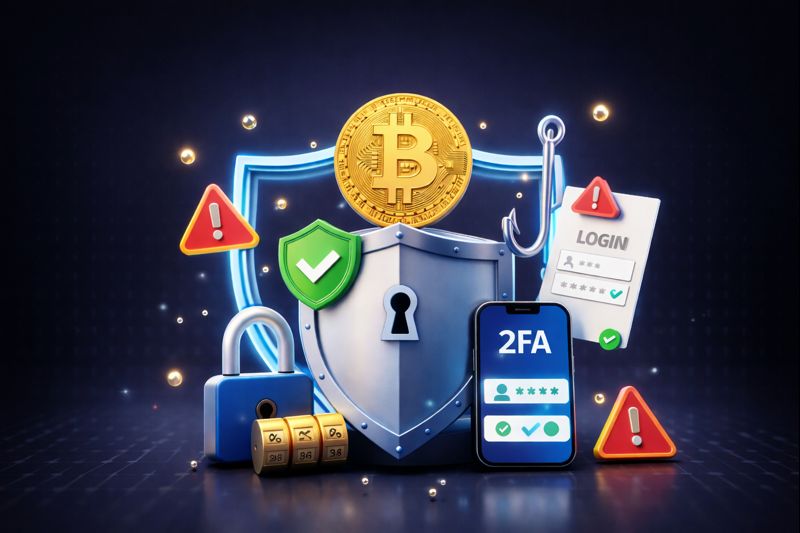
Introduction: “Is Bitcoin Safe?”—The First Question Every Beginner Asks
The first time most people hear about Bitcoin, excitement usually comes second. The first emotion is uncertainty. Almost immediately, one question appears in the mind: is bitcoin safe?
Before profits, before charts, and even before understanding how Bitcoin works, safety becomes the deciding factor. This concern is completely valid. Bitcoin is digital, borderless, and often surrounded by extreme opinions—either it’s “the future of money” or “a complete scam.”
The truth, as usual, sits somewhere in between.
This in-depth guide is written for absolute beginners who want a clear, honest, and practical answer. We’ll explore Bitcoin’s advantages, real risks, and actionable bitcoin safety tips, using research, real experiences, and simple language—no hype, no fear.
What Does “Bitcoin Safety” Actually Mean?
Bitcoin safety is not a yes-or-no question. It works on multiple levels.
The Three Layers of Bitcoin Safety
1. Technology safety
Is the Bitcoin network itself secure?
2. Platform safety
Are the apps and exchanges safe to use?
3. User safety
Are you using Bitcoin responsibly?
Most beginner losses happen at the user level, not because Bitcoin’s technology is broken.
Is Bitcoin Itself Safe? (Technology Explained Simply)
Bitcoin runs on blockchain technology—a decentralized public ledger maintained by thousands of independent computers around the world.
Why Bitcoin’s Technology Is Considered Secure
- Transactions are permanent and transparent
- Data is distributed, not stored in one place
- No single authority controls the system
- Cryptography protects ownership
According to years of research and real-world testing, Bitcoin’s blockchain is one of the most secure digital networks ever created.
Has Bitcoin Ever Been Hacked?
This distinction is crucial:
- ✅ The Bitcoin network itself has never been hacked
- ❌ Exchanges, wallets, and users have been compromised
When people say “Bitcoin was hacked,” they are usually referring to platform failures or human mistakes, not a flaw in Bitcoin’s core design.
Why Do Beginners Think Bitcoin Is Unsafe?
Media, Myths, and Misinformation
Fear around Bitcoin often comes from:
- Sensational news headlines
- Stories of people losing money
- Scams wrongly blamed on Bitcoin
In reality, most losses happen due to:
- Poor security habits
- Emotional decisions
- Trusting unverified advice
Bitcoin doesn’t remove risk—but neither do banks or stock markets.
Is Bitcoin Safe in India?
If you are completely new to cryptocurrency and still don’t clearly understand what Bitcoin actually is, it’s important to learn the basics first. Before worrying about risks or safety, read this simple beginner-friendly explanation:
What Is Bitcoin? A Complete Beginner’s Guide (2026)
A very common regional question is: is bitcoin safe in India?
Legal and Practical Reality in India
As of now:
- Buying and holding Bitcoin is legal
- Regulated exchanges require KYC
- INR transactions are traceable
- Profits are taxable
These rules actually increase safety for beginners, because they reduce anonymous fraud and improve transparency.
Advantages of Bitcoin (Why Millions Still Trust It)
Despite criticism, Bitcoin continues to grow worldwide.
Key Advantages Explained Simply
1. Decentralization
No bank or government controls Bitcoin.
2. Limited Supply
Only 21 million Bitcoins will ever exist.
3. Transparency
Every transaction can be verified publicly.
4. Fractional Ownership
You can buy very small amounts.
For beginners, these features make Bitcoin useful as a learning asset, not just a speculative investment.
Bitcoin Risks for Beginners (Be Honest, Not Fearful)
Bitcoin is not risk-free. Understanding risk is part of staying safe.
1. Price Volatility
Bitcoin prices can rise or fall quickly. Beginners often panic during short-term drops.
2. Security Mistakes
Weak passwords, fake apps, shared OTPs, and phishing links cause most losses.
3. Scams and Fraud
Common scams include:
- Fake “customer support” calls
- Guaranteed-return schemes
- WhatsApp and Telegram investment groups
4. Emotional Decisions
Fear and greed cause more damage than technology ever has.
How Bitcoin Security Evolved Over Time
In Bitcoin’s early years, security practices were basic. As adoption grew, security matured.
Today’s ecosystem includes:
- Hardware wallets
- Multi-signature protection
- Regulated exchanges
- Better user education
Beginners today are entering Bitcoin at a time when tools and awareness are far better than in the past.
Psychological Safety: The Most Ignored Bitcoin Risk
One of the biggest bitcoin risks for beginners is not technical—it’s emotional.
Common Emotional Triggers
- Fear during price drops
- Greed during price spikes
- Anxiety from constant chart-watching
- Pressure from social media opinions
How to Stay Mentally Safe
- Decide investment amount in advance
- Avoid checking prices daily
- Focus on learning, not profits
- Ignore “get rich quick” narratives
Bitcoin becomes much safer when emotions are controlled.
Bitcoin Safety vs Traditional Banking: A Practical Comparison
| Aspect | Bitcoin | Traditional Banking |
|---|---|---|
| Control | User-controlled | Bank-controlled |
| Transparency | Public ledger | Closed system |
| Availability | 24/7 | Limited hours |
| Single Point of Failure | No | Yes |
Bitcoin removes some risks but adds responsibility. Safety improves with understanding.
Real Beginner Experience: Fear vs Reality
When I bought Bitcoin for the first time, the amount was small—but anxiety was high. Every price movement felt personal.
That experience taught me one thing:
Bitcoin is more about mindset than charts.
Once expectations became realistic, Bitcoin felt far less dangerous.
Is It Safe to Buy Bitcoin Using Apps?
Yes—if you choose trusted platforms.
What Makes an App Safe?
- Mandatory KYC
- Two-factor authentication
- Transparent fees
- Easy withdrawals
Once you understand that Bitcoin itself is secure, the next important step is learning the correct and safe way to buy it. Using the right app, completing KYC properly, and following step-by-step instructions can significantly reduce beginner mistakes. You can learn the complete process here:
How to Buy Bitcoin in India (2026) – Step-by-Step Beginner’s Guide
Bitcoin Wallet Safety Explained Simply
| Wallet Type | Safety Level | Best For |
|---|---|---|
| Exchange Wallet | Medium | Beginners |
| Mobile Wallet | High | Regular users |
| Hardware Wallet | Very High | Long-term holders |
Beginner tip: Start simple. Upgrade only when confidence grows.
Common Bitcoin Scams Beginners Must Avoid
- Fake support calls asking for OTPs
- Investment groups promising fixed returns
- Phishing websites and clone apps
Golden rule:
No genuine platform will ever ask for your password or private key.
How Much Bitcoin Is “Safe” for Beginners?
Safety is also about position size.
Beginner-Friendly Approach
- Start with small amounts
- Use money you can afford to lose
- Never borrow to invest
- Think long-term
Lower pressure = better decisions.
Is Bitcoin Safe for Long-Term Holding?
Historically, long-term holders:
- Experience less stress
- Make fewer emotional mistakes
- Learn risk management naturally
For beginners, long-term holding is safer than frequent trading.
Key Safety Takeaways for Beginners
- Bitcoin itself is secure
- Most risks come from misuse
- Knowledge reduces fear
- Discipline matters more than timing
Safety improves as understanding grows.
Final Verdict: Is Bitcoin Safe for Beginners?
Yes—Bitcoin can be safe for beginners if approached with:
- Education instead of hype
- Patience instead of panic
- Security instead of shortcuts
Asking “is bitcoin safe?” is the smartest first step.
Learning how to manage risk is the second.
Conclusion: Safety Is a Skill, Not a Feature
Bitcoin safety does not come from luck, predictions, or shortcuts.
It comes from knowledge, patience, and discipline.
When fear is replaced by understanding, Bitcoin becomes far less intimidating—and far more manageable.
Are you still unsure about Bitcoin safety—or ready to continue learning?
💬 Share your doubts in the comments
📩 Subscribe for beginner-friendly crypto guides
📘 Read next articles to build confidence step by step